Industrial Painting for Factories and Warehouses
Industrial painting is a race against corrosion: correct surface prep and coat thickness add years to steel's life.
- System selected to your corrosion category
- Every coat measured in microns and photo-logged
- Night or weekend shifts where site rules permit
- Delivered with thickness reports and a material warranty
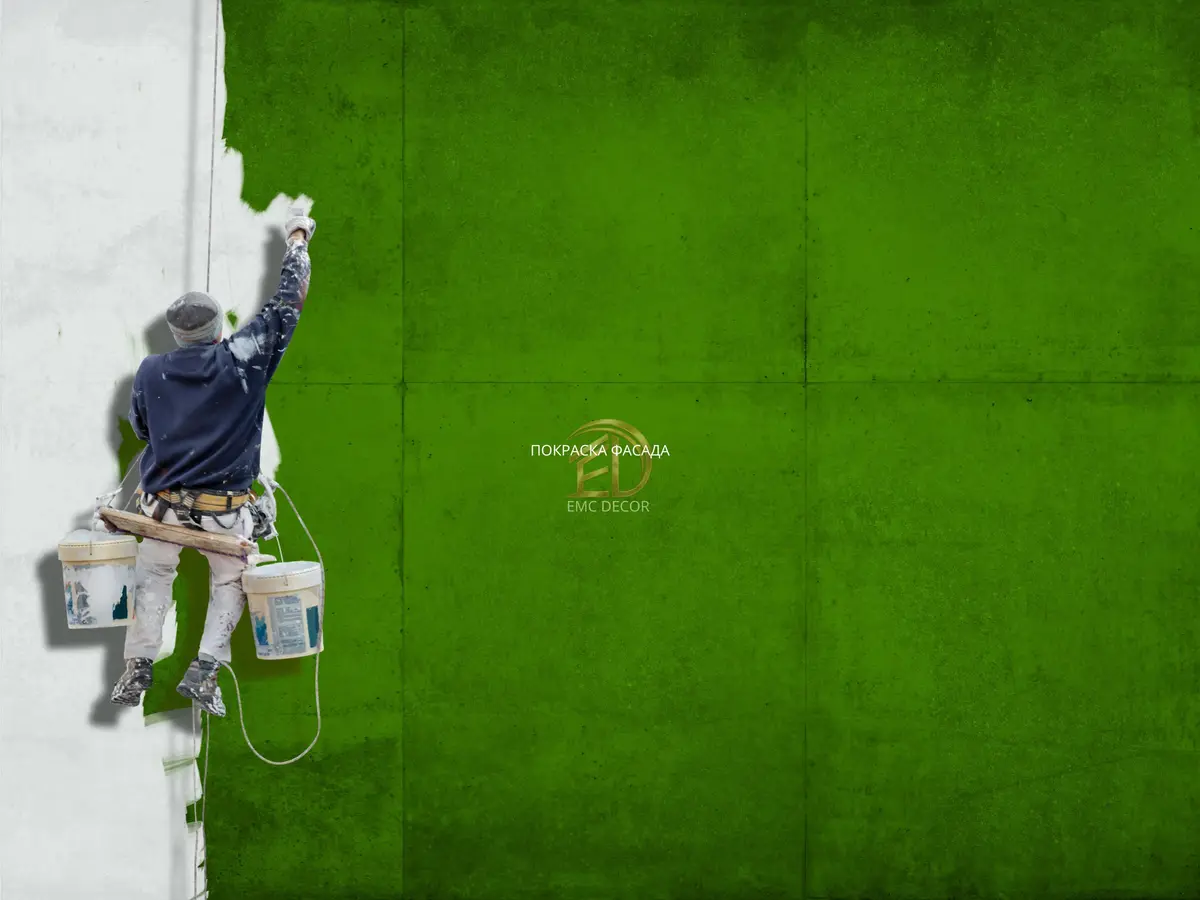
Industrial painting spans three disciplines: anti-corrosive protection of steel structures (surface prep grades St2/Sa2.5, primer + intermediate + topcoat systems), airless spraying of high walls and ceilings, and floor systems (epoxy, line marking, safety signage). In all three, coat thickness is measured in microns and reported.
In production facilities we work shift-based: advancing zone by zone in weekend and night windows, sheeting machinery for protection, and using low-odour fast-drying systems. Every crew member is HSE-certified; work at height, scaffolding and platform operations run on our own equipment.
Why EMC Decor
Coat thickness documented in microns — no guesswork
Anti-corrosive systems to St2/Sa2.5 preparation standards
No production stoppage: zone-by-zone in weekend and night shifts
Airless spraying: fast, uniform coverage on high ceilings
The Challenges You Face, Our Fix
Paint applied over improperly prepped, rusted steel flakes off within a year or two — a hidden recurring cost
Surface prep grade (mechanical St2 or blast-cleaned Sa2.5) is verified before coating against the corrosion category found on site — never assumed.
Spray painting near active operations risks worker exposure to fumes/overspray and contaminating machinery
The zone is isolated with negative-pressure ventilation and low-odour fast-curing systems are used; the crew works in PPE per HSE protocol, with machinery sheeted beforehand.
Large surfaces painted in separate batches show a visible colour/sheen mismatch between sections
Colour and batch numbers are logged per zone; overlap areas are wet-on-wet blended so no visible seam remains.
Too little coating thickness invites early corrosion; too much wastes budget for no benefit
Coat thickness is calculated exactly to the corrosion category (C2–C5) and every coat is verified with a dry-film-thickness gauge — neither under- nor over-applied.
What This Service Includes
Steel Structure Protection
A layered protection system against corrosion.
- Mechanical cleaning or blast-cleaning (St2/Sa2.5)
- Primer + intermediate + topcoat system
- Material selected to corrosion category (C2–C5)
High Surfaces & Wall Painting
Fast, uniform coverage on high ceilings and walls.
- Airless spray application
- Platform / scaffold access
- Machinery sheeting and masking
Flooring & Marking
Floor systems that support safety and operational flow.
- Epoxy flooring systems
- Walkway and forklift-lane marking
- 5S and safety-zone markings
RESULTS OF OUR WORK
Our Technology & Expertise
System Selected to Corrosion Category
The C2–C5 corrosion category is identified on site, and the primer/topcoat system is selected accordingly.
Dry-Film Thickness (DFT) Measurement
Every coat is checked in microns with a DFT gauge and recorded with photos.
Adhesion (Pull-Off) Testing
A pull-off test measures coating adhesion strength on critical areas.
Low-Odour, Fast-Curing Systems
Coating systems are chosen that don't disturb staff in active facilities and let the area return to use quickly.
Process
Site Study
Corrosion grading, surface tests and shift-window analysis; system proposal.
Duration: 1–2 days
Surface Preparation
Mechanical cleaning/blasting, degreasing, machinery protection and masking.
Duration: 2–5 days
Coating Systems
Primer, intermediate and topcoat; micron measurement and photo records per coat.
Duration: 1–4 weeks
Reporting & Handover
Handover with thickness reports, material certificates and a material warranty document.
Duration: 1 day
Industrial painting is priced per m²/tonne, by surface-preparation grade.
Get a Project EstimateFrequently Asked Questions
Which coating system suits steel structures?
It depends on the environment: alkyd/acrylic suffices indoors and dry, while damp or chemical settings need epoxy primer + polyurethane topcoat. We specify the system at survey against the corrosion category (C2–C5).
How much does painting disrupt production?
Zoning and shift planning can reduce operational impact. Preparation, application and cure windows are agreed with the facility’s safety and access plan.
Do high ceilings require clearing the facility?
No — machinery is sheeted zone by zone and we work from platforms; extra dust barriers protect sensitive lines.
Do you do line marking and safety signage?
Yes — walkways, forklift lanes, safety zones and 5S markings, applied with wear-resistant two-component paints.
Complementary & Recommended Services
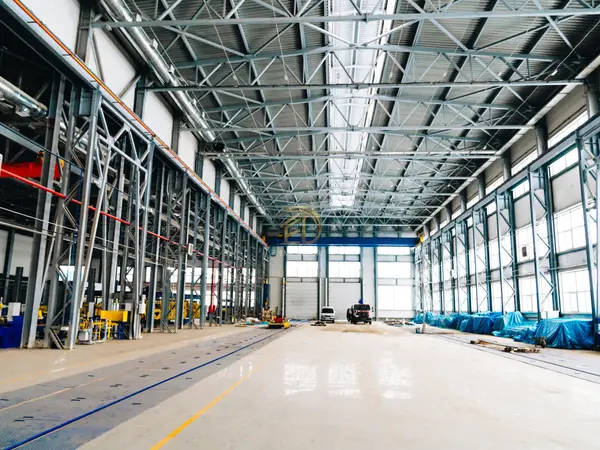
Factory and Production Facility Renovation
We phase factory renovation around production flow, safe work zones and agreed shutdown windows.
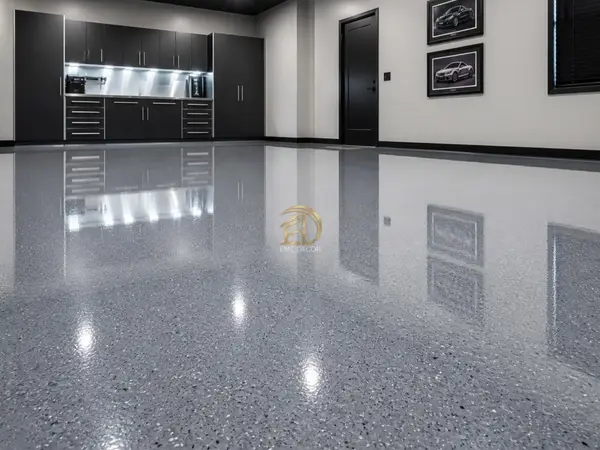
Epoxy Flooring and Protective Coatings
A durable epoxy floor starts with substrate preparation: grinding or milling, moisture checks and the correct primer for the selected system.

Interior Painting and Wall Finishing Services
Professional interior painting with dust-free machine sanding, premium Jotun, Dyo and Marshall paints, razor-sharp masking lines, and full furniture protection.
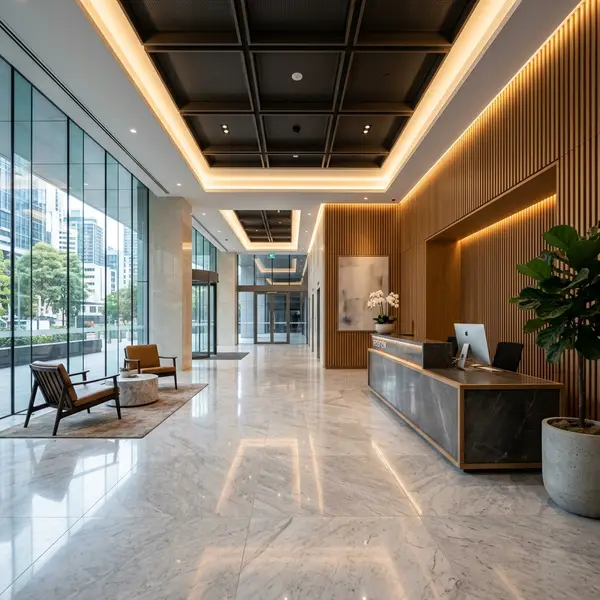
Commercial Renovation and Interior Fit-Out
In commercial renovation, programme decisions directly affect operating cost. We zone the work, document critical dates and schedule suitable tasks outside business hours.
Let’s Talk About Your Project
Get a free consultation: share the project details in the form or discuss them directly on WhatsApp.