Interior Wall Thermal Insulation
Where exterior access is unavailable, we install an interior system suited to the wall condition to reduce heat loss.
- A solution for spaces where the exterior cannot be altered
- No system selected before moisture and condensation assessment
- Continuity at windows, sockets, ceilings and floors
- Moisture sources resolved rather than concealed
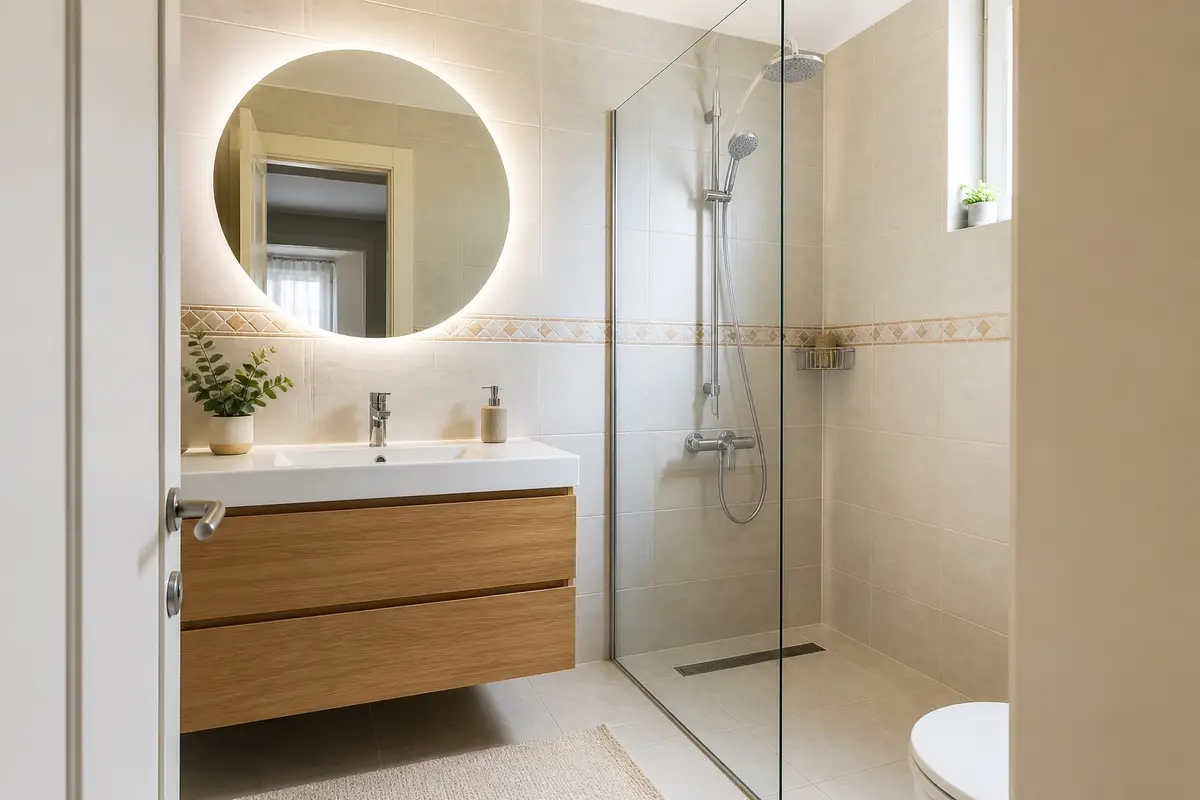
Interior wall insulation is a specialist option where the exterior cannot be altered or a solution is needed within one independent unit. Because the insulation changes the wall's temperature and vapour behaviour, selection cannot be based on board thickness alone. External wall construction, existing moisture, rain penetration, thermal bridges, room use, ventilation and condensation risk are assessed together.
The solution may be a directly bonded mineral board, mineral wool within a framed lining, or another approved system suited to the project. Window reveals, ceiling and floor junctions, sockets, pipe penetrations and any vapour-control layer are detailed continuously. Where mould or active moisture exists, the source is resolved first; insulation is not used to conceal a water problem. The finished surface is prepared for decoration with plaster or lining compatible with the selected system.
Why EMC Decor
A solution for apartments and units where the exterior cannot be altered
Moisture, detailing and condensation-risk assessment before system selection
Continuous detailing at window reveals, sockets and junctions
Room use and ventilation assessed together with the insulation
The Challenges You Face, Our Fix
PROBLEM: A damp wall concealed behind insulation
SOLUTION: The moisture source is identified and layers remain open until the substrate is sound.
PROBLEM: New thermal bridges at reveals and floor edges
SOLUTION: All perimeter junctions and penetrations are detailed with the main wall.
PROBLEM: Room humidity and ventilation ignored
SOLUTION: Occupancy and ventilation are assessed as part of the wall system.
What This Service Includes
Existing Wall Assessment
Assessment of wall build-up, moisture, mould, cracks and thermal bridges.
- Moisture source
- Junctions
Insulation and Vapour Control
Project-specific insulation, connections and any required vapour-control layers.
- Continuous layer
- Penetration details
Interior Surface Finish
Compatible lining, plaster, joints and preparation before paint.
- Plane check
- Decoration-ready surface
RESULTS OF OUR WORK
Our Technology & Expertise
Moisture Diagnosis
Rain, plumbing and condensation sources are not treated as the same defect.
Thermal-Bridge Details
Insulation continues from the main wall into reveals and perimeter junctions.
Indoor Conditions
Ventilation and moisture generation inform the system decision.
Process
Wall and Moisture Survey
Wall build-up, moisture sources, thermal bridges, mould and junction details are inspected.
Condensation and Use Assessment
Room temperature, moisture generation, ventilation and internal surface temperature are considered together.
System and Detail Selection
Insulation, lining and any required vapour-control layer are specified with all junctions.
Preparation and Installation
Moisture issues are resolved, the substrate is prepared and the system is installed continuously in the designed sequence.
Junctions and Final Surface
Window, ceiling, floor and service junctions are completed and the surface is prepared for decoration.
Frequently Asked Questions
Can interior insulation be installed on every wall?
Not automatically. Moisture sources and condensation risk must be addressed first; suitability is determined by survey and system assessment.
How much room space does interior insulation use?
The loss depends on board or frame depth and the final lining. Rather than using a fixed figure, wall geometry and required details are measured during the survey.
Can insulation be installed over a mouldy wall?
The wall should not be covered before the source of mould and moisture is identified. Rain ingress, leaks or condensation are resolved and the substrate made sound before a system is chosen.
Does interior thermal insulation also provide sound insulation?
Some layers may influence acoustic behaviour, but thermal and acoustic targets are not the same. Noise requires a separate assessment and acoustic system design.
Complementary & Recommended Services
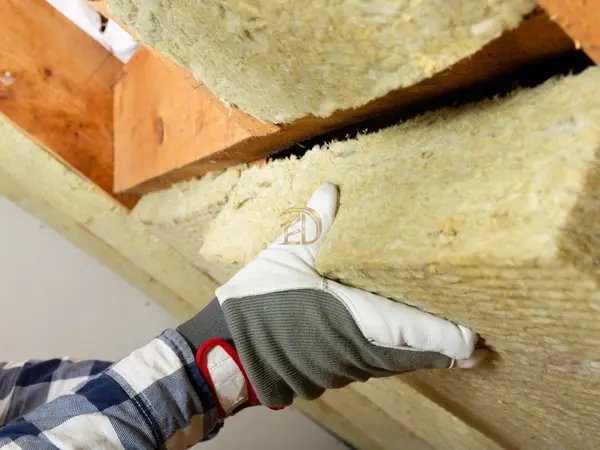
External Wall Insulation and Facade Systems
A façade insulation installation detailed for the building and selected system while maintaining thermal continuity.
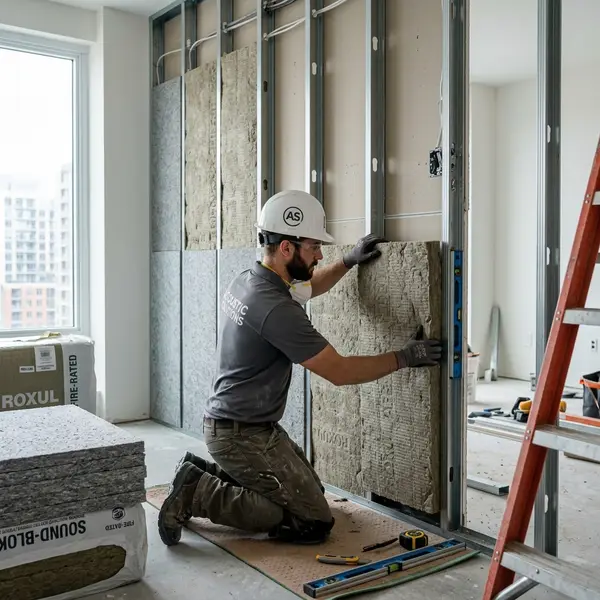
Sound Insulation for Walls, Ceilings and Floors
We design the wall, ceiling or floor system around the noise source, transmission path and room to be protected.
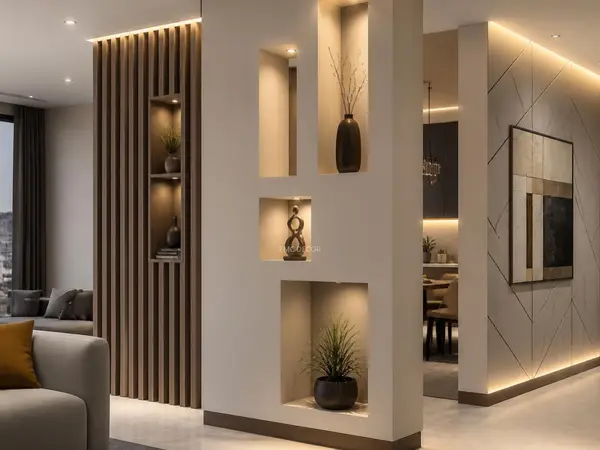
Drywall Partition Wall Systems
Splitting a room in two is a four-day job — with the right system, the new room is separated by sound as well as sight.
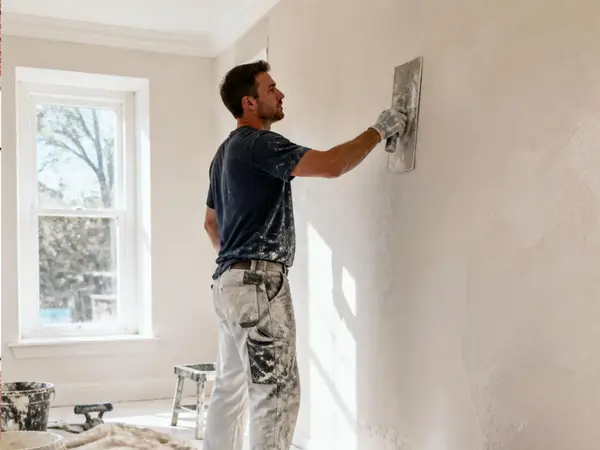
Wall Plastering and Levelling
Base plaster applications that correct wall and ceiling geometry before paint or another finish.
Let’s Talk About Your Project
Get a free consultation: share the project details in the form or discuss them directly on WhatsApp.